

Biological Controls
We use a number of natural, biological controls to suppress plant pests and diseases. In a concerted effort to control spider mites, fungus gnats, thrips, aphids, and whiteflies, we utilize natural controls instead of relying on chemical pesticides to eradicate pests.
Energy Efficient Greenhouses
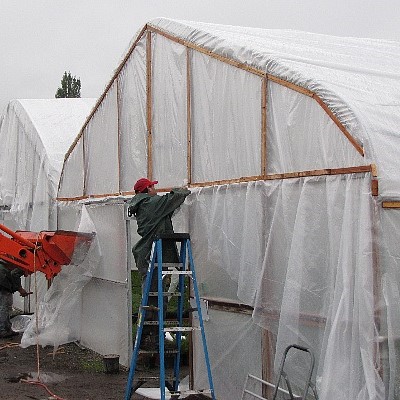
Extra poly is applied to the roofs of our greenhouses, creating an insulated air layer to help retain more heat in colder temperatures.
Additionally, many of our greenhouses have automatic sidewall and roof ventilation to maintain warmer temperatures in the winter and cooler temperatures in the summer. This functionality helps reduce the need for additional heating, watering, and cooling systems.
Energy Efficient Heaters
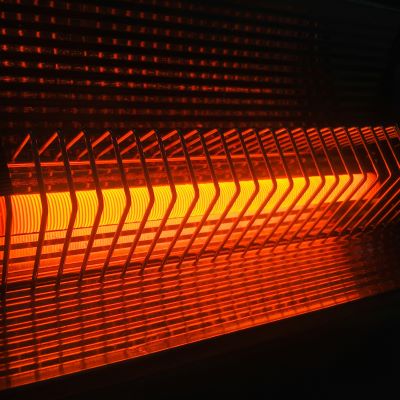
Many of our greenhouses include roof venting, which helps increase circulation naturally. When heaters are required during the colder temperatures, our heaters, which are designed for 82-83% thermal efficiency, separate the flame from the air inside the greenhouse. This ensures a long life and the highest seasonal efficiency possible.
Additionally, many of our heaters run from the bottom of the greenhouses, instead of at the top. As heat rises, this helps us have more efficient heating throughout the houses.
Fertilizer Waste & Runoff
With the integration of sensors and automatic dosing systems to track and apply proper nutrients in our water feed for our plants, we are able to minimize fertilizer waste and eliminate excess runoff.
Light Pollution Reduction
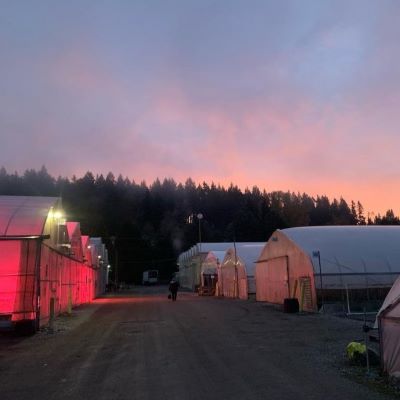
Grow lights in our greenhouses have been altered to help reduce light pollution. All of the Metal Halide lights on the property have been replaced. In their place, more energy efficient LED lights have been implemented to augment any additional growing needs for our plants.
Plastics Recycling
Although we are not able to re-use our plastic pots, we offer a recycling program for our plastic flats.
Each time you purchase a flat of plants from T&L, we will happily take back the flat when you are finished! Purchased on-site? Bring them back next time you shop with us! Received a delivery? Drop them off with one of our drivers next time you receive a delivery.
Water Conservation & Reduction of Excess Water Usage
The booms we have in the fields and greenhouses are entirely programmable via computer. This allows us to manage many variables of our watering needs, including setting watering schedules to target the ideal time of day to irrigate in a way that minimizes evaporation loss. Additionally, these systems allow us to target precise areas of spray in our fields and houses, as well as reduce water waste by only using the amount of water that is needed relative to the size of the pot.
Water Runoff & Recycling
All of our fields and greenhouses have been built with a grade and drainage system so any runoff water can runoff into a storage pond. The water pond water is recycled back into the nursery watering system for plants to use again. Additionally, we are always increasing the use of drip tape and other irrigation systems that help us save water by watering more precisely.